Showing posts with label growing things. Show all posts

Wednesday, June 5, 2013

sustainable sustainability: think, eat, save

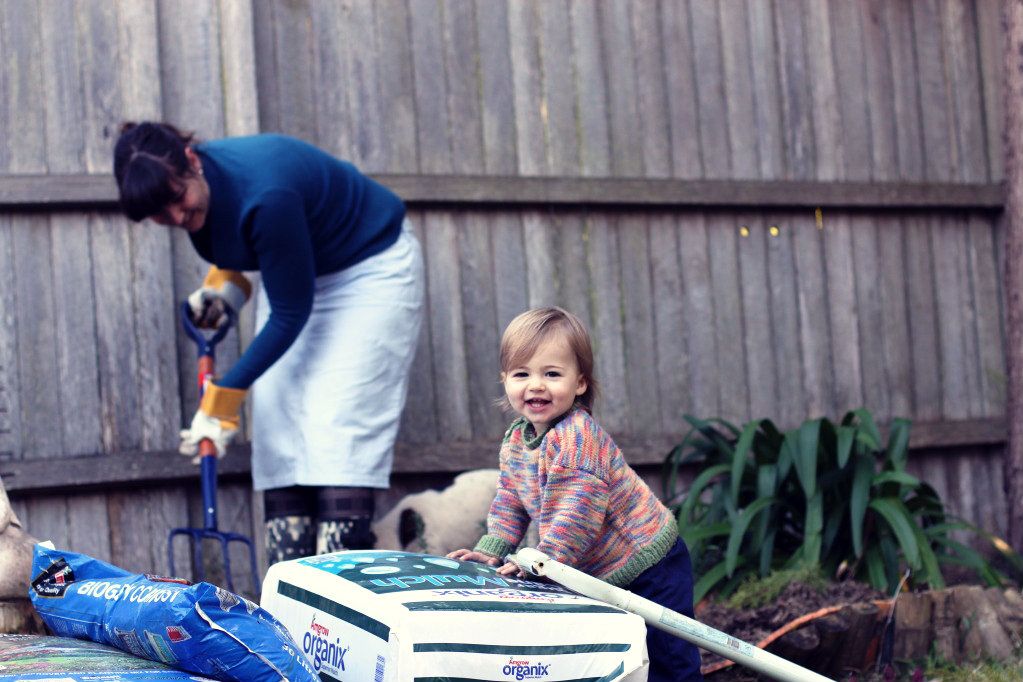
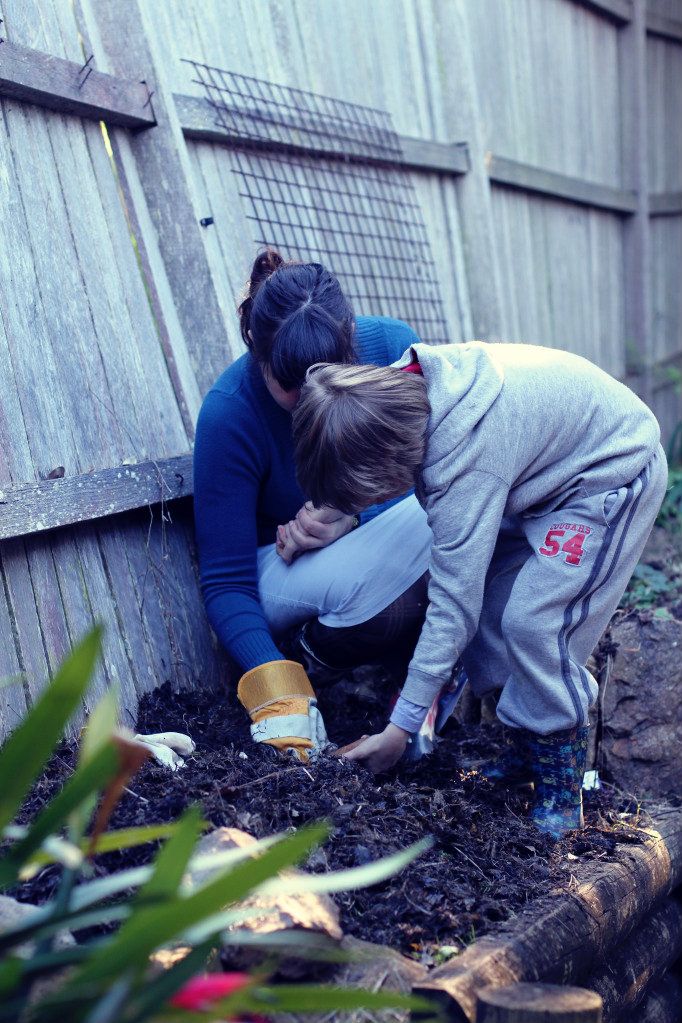
Happy World Environment Day! Did you celebrate in a small or big way? I have just, finally, peeled off my soil-encrusted gardening clothes after an exhausting but richly rewarding day spent in our community garden with the kids.

Our lovely chooks are nicely nestled within their home in the EcoGarden. Finding this second home has opened my eyes to the notion of thinking outside the square- or even your home- when looking to lead a more sustainable, gentle life. Community gardens provide the opportunity for people to grow where they otherwise may not. Today I noticed how much potential, beyond the weeding, planting, harvesting, a community garden can offer.

1. Instant playgroup. Within moments of arriving at the garden, my children were dirty, wild, runny-nosed creatures of the sunny wintry outdoors. They ran around the garden beds with other kids, some familiar and others strangers. They showed visitors the ins and outs of caring for our chooks. The mums had the opportunity for a chat and a breather.

2. Green spaces are healthy spaces. You can't help but roll up your sleeves and break out a little sweat when there is a glorious strawberry patch to be tended, ready to rest over winter, and hopefully reap rewards in the warmer months. I exercised before I even noticed.

3. Sharing across generations. Our garden has the fortunate situation, surrounded by retirement villages and early childhood services. What a vast wealth of knowledge to be shared. What a spectacular opportunity to build social networks for people far from family, a little lonely or just finding themselves with a bit of extra time.

If your spaces at home are providing you with excuses not to grow some food, why don't you find out where your nearest community garden is? I wonder if there is some space for you to plant some snow peas, have a chat with someone new, take a book and relax for a spell? It really is as good as it sounds.

Wednesday, November 28, 2012

can ya dig it? or is it un-palette-able?

I got busy over the weekend. Down and dirty. But, no digging required this time, working on a no-dig veggie bed and a vertical snacking garden.

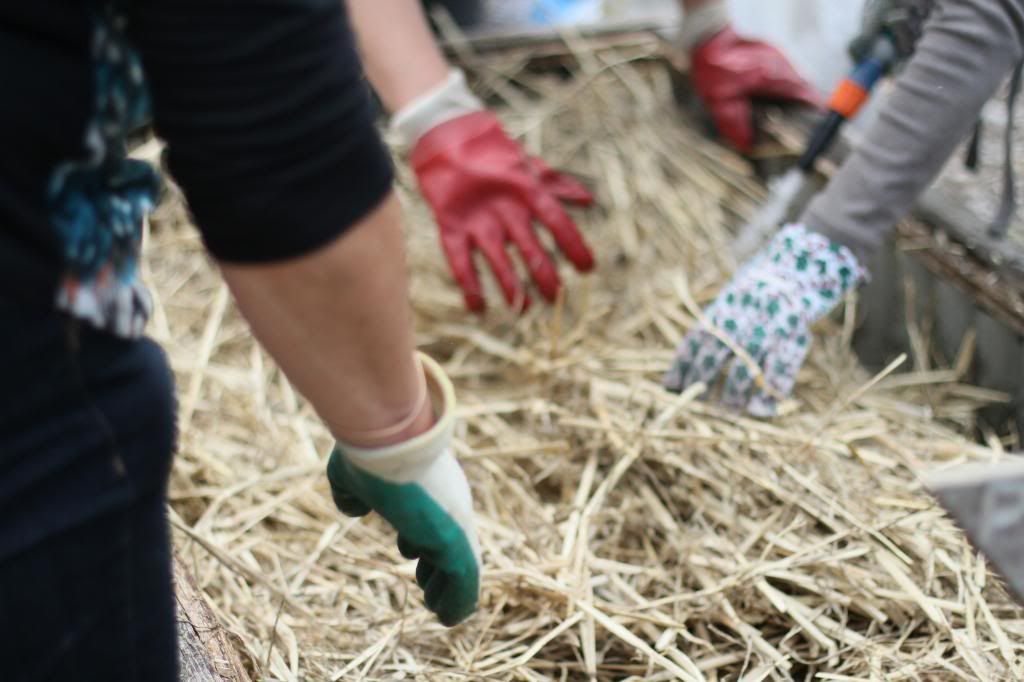
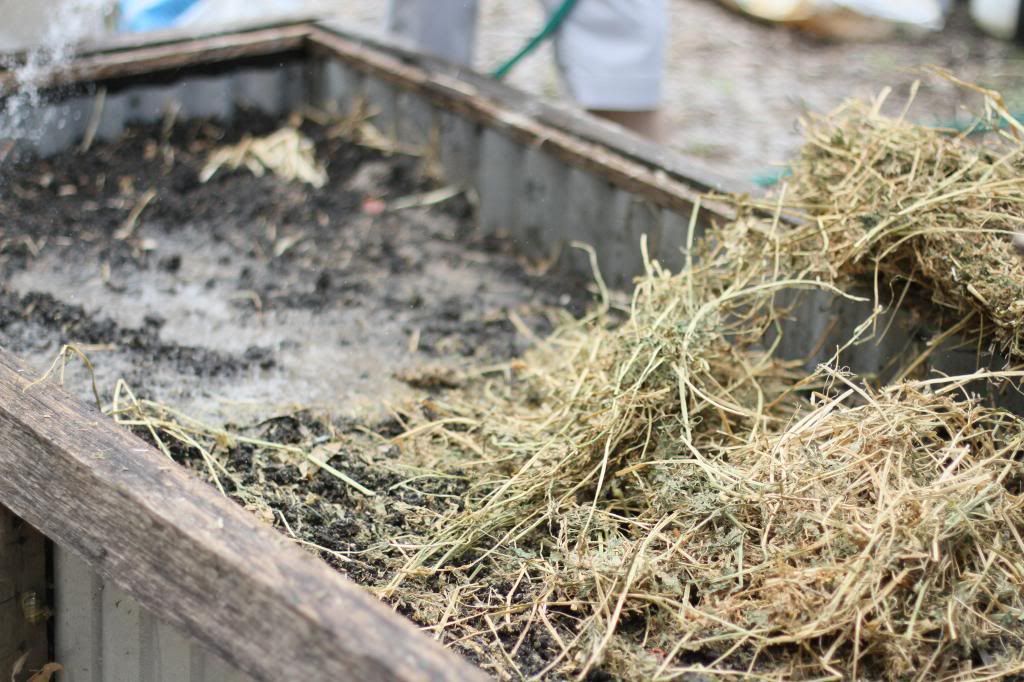
Preparing the no-dig garden bed. This is how I did it, only not quite as richly diverse. I used newspaper, straw, cow manure, some organic fertilizer pellets, organic compost for the planting and lucerne for mulch. My helper enjoyed the watering part.
The garden bed planted out. Lebanese cucumbers on an old piece of fence (use what we have!), corn, some different varieties of heirloom tomatoes and some capsicums. And some perennial spinach for good measure.
Chilli in a pot. Likes to be alone.

To make a vertical snacking garden. First, pick up an old palette from the side of the road.
Cover the back with some weed mesh or shadecloth, stapling thoroughly into the shape of the palette- especially down each side.
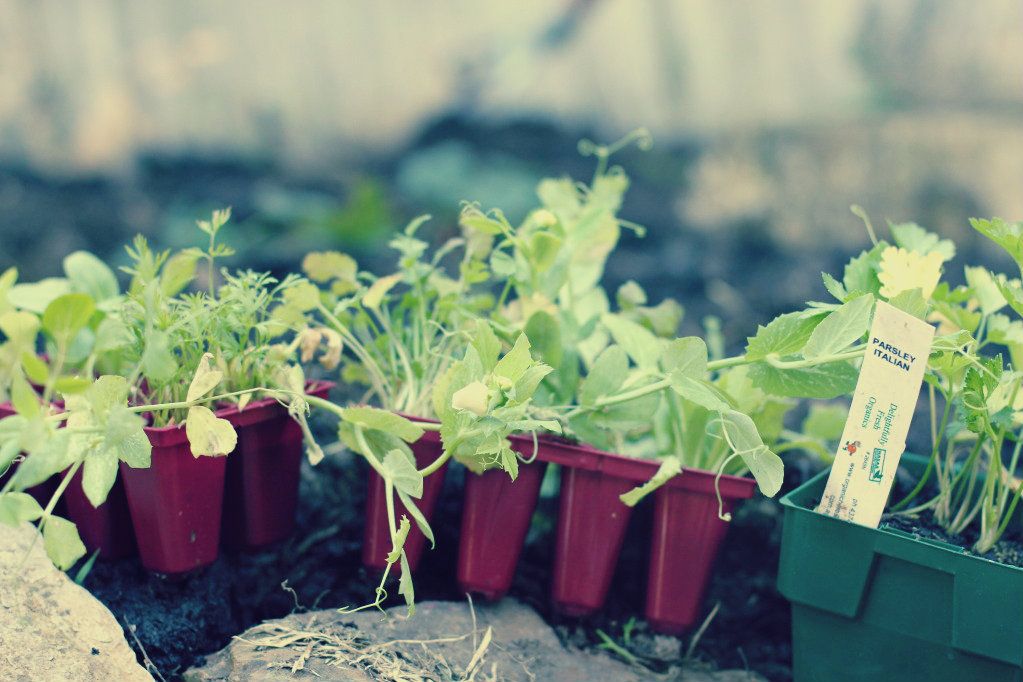
 Starting at the bottom and working up, fill each terrace with some good quality organic compost or potting mix, pack it in nice and snug. Plant two or three seedlings in each terrace. The seedlings in tubes that I used were the perfect fit (thanks, Wayne!) The very top terrace is a little tricky as you need to fill the soil upwards, too. Take your time, it's gardening, it's meant to be slow.
Leave your palette garden resting at a 45 degree angle, for a couple of weeks. Make sure you measure the angle with a protractor. This allows the the roots time to get settled in and hold onto the soil nicely, so the dirt won't just fall out of the front when upright. I hope. What did I plant? Glad you asked...
Lemon thyme
Greek oregano
Wild and Italian rocket
Perennial spinach
Marigolds
Gai Lam and Bok Choy
Coriander
Strawberries
Rainbow spinach
Plain and garlic chives
Basil
Cos lettuce

I moved a little basil seedling that wasn't very happy into the vertical snack garden. My little O gave me a hand, and has been talking to his new friend Basil ever since the weekend. He says Basil is quite happy with his new friends.
 
The morning after planting, I came out to admire my handiwork, only to find the rocket had been chomped and little green eggs (or poos?) were left as evidence on the remaining leaves. I went to get provisions (in my housework clothes) to make Em's Famous Butterfly Recipe. I might also have to try Vanessa's Rather Artistic Solution for the Cheeky Buggers.
A perspective of the bestest, sunniest position in our yard, one of the paved terrace layers. I can already see the difference adequate sun makes, and have started moving some plants out of the original bed, and allowing the rest to go to seed.

Love this stuff. It's getting into my veins. If it's in yours, too, come and link in at Squiggly Rainbow!

Monday, November 19, 2012

build a no-dig garden

A big part of the organic gardening course I took part in recently was spent working together to build a no-dig garden. Our lovely teacher, Kerrie guided us through the process. You can read more about Kerrie's thoughts on organic gardening and permaculture here.

The no-dig garden system was developed by Sydney gardener, Esther Dean during the 1970's. It basically works in the same way as composting. You build up layers, then plant your little babies in a little compost in the top. Here is what Kerrie had to say about no-dig gardening:

S: What are the important things to remember when making a no-dig garden?
K: Correct choice of site;  veggies need about 6 hours of sunlight
Good planning and design; will it be a raised garden bed, a mandala, a keyhole shape? Are pathways needed?  How will the plants be placed within the space?
Access to water
Proximity to the house (in our Zone 1 as we say in permaculture)
Adequate resources; newspaper, manures, straw, hay, multiple elements for the layering of the “lasagne”.  Essentially a no dig garden is a version of a compost heap; carbonous and nitrogenous materials are required
Start with sheet mulching of newspaper, must be nice and thick!
Water each layer as you go
Finish with a layer of mulch, and use at least a handful of compost or soil with each plant placed in the garden
And remember, it will “sink down”, same as a compost heap, so ensure the plants aren't left high and dry when this occurs
 
Enjoy, delicious, organic produce from your own garden!  Nothing will ever taste so good, or be as satisfying.

You can build your own no-dig garden, too! They work well directly onto your lawn (even if the soil is very poor), I will be building two of them onto pavers! If you are popping your no-dig layers into a garden bed, you will need a good 40cm in height.

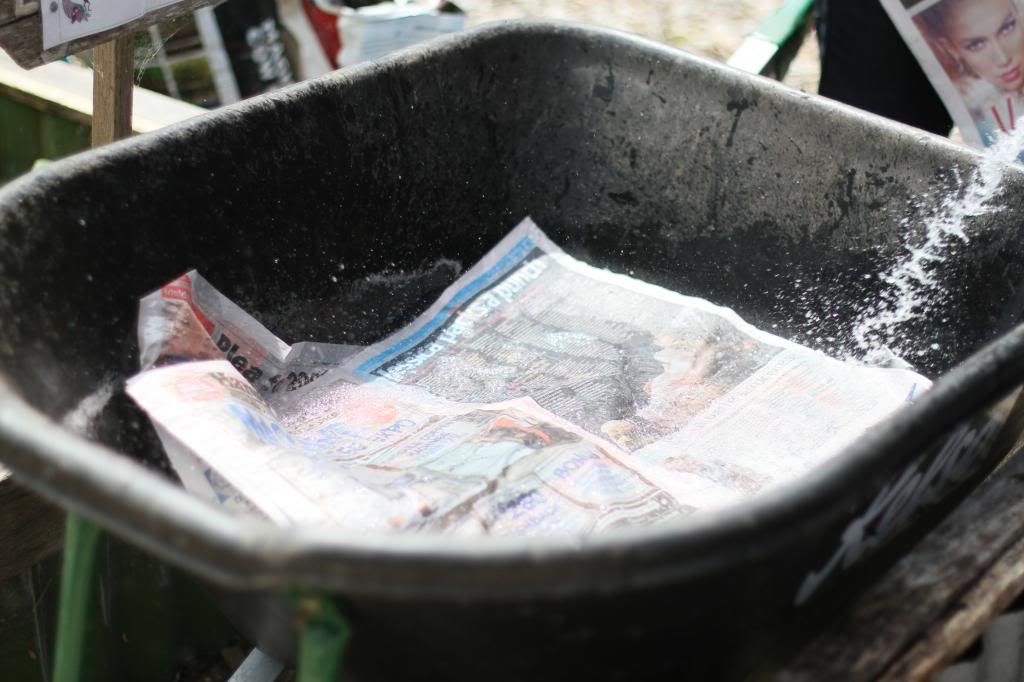
Wet down some newspapers. You will need a few, and open them up before you wet them.

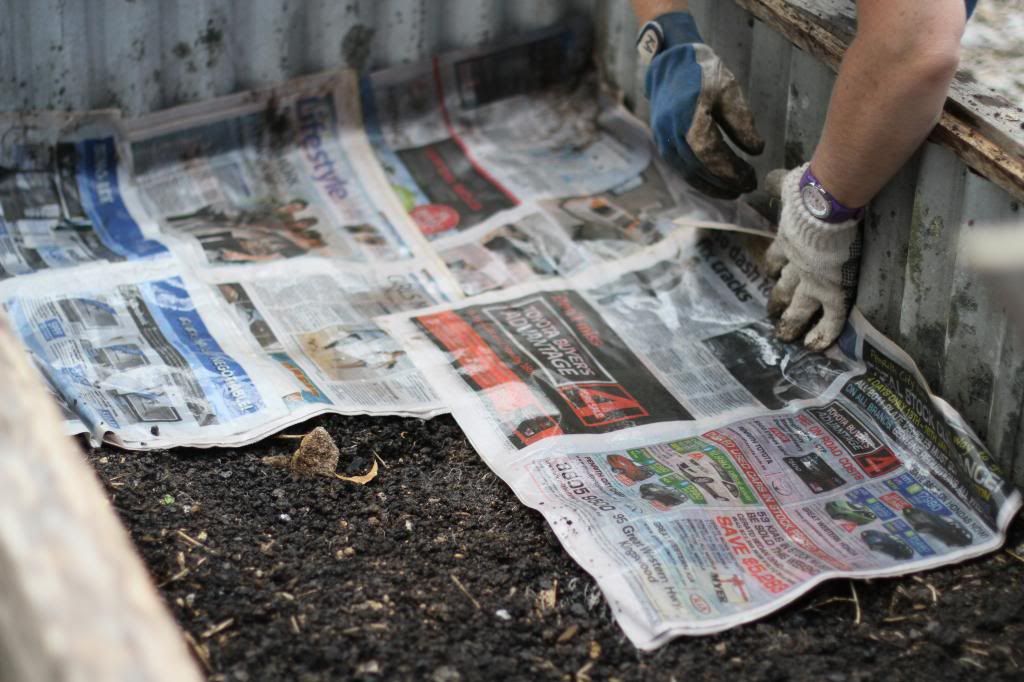
Lay down a thick, well-overlapped layer of wet newspaper. Don't use the glossy pages.

Start the lasagne layers! Cow manure (nitrogenous).

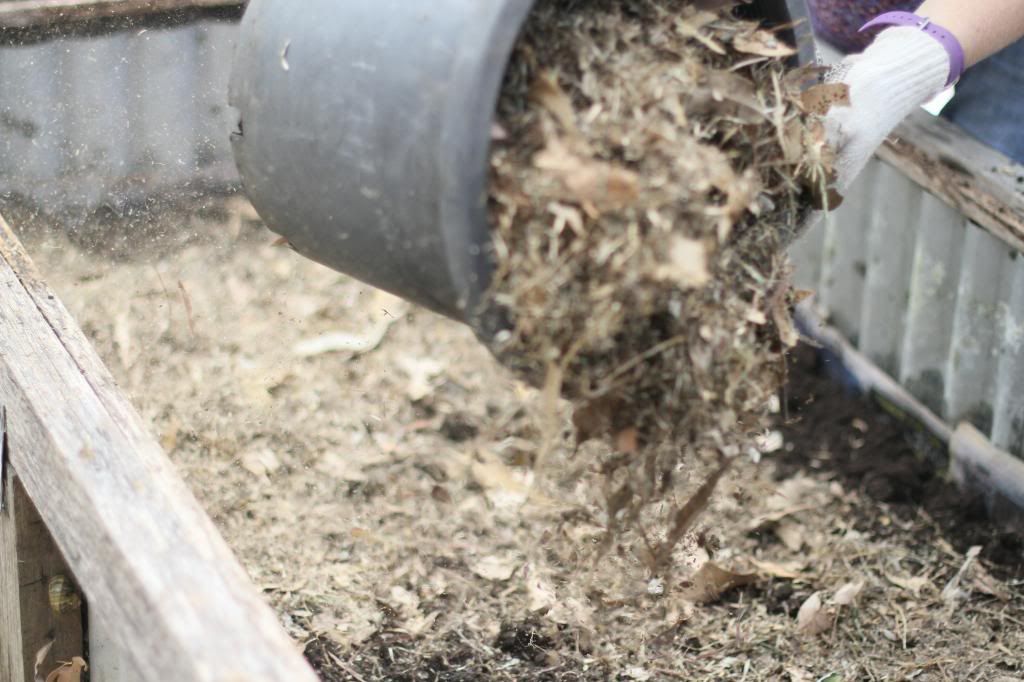
Deadybones leaves and grass clippings (carbonous).

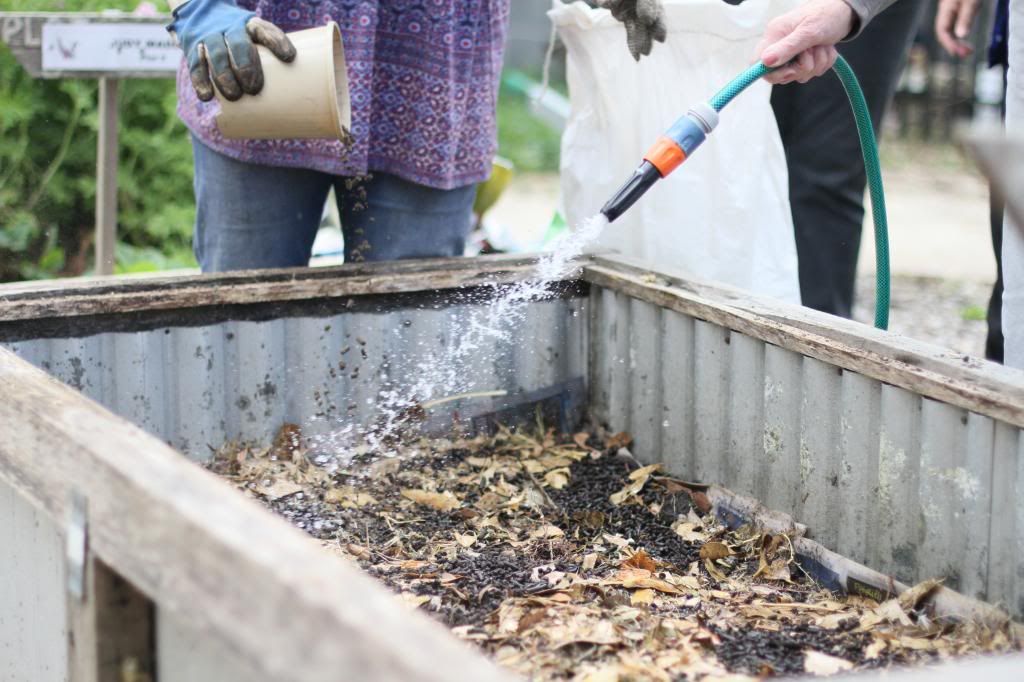
Organic fertilizer pellets (nitrogenous). Don't forget to water each layer well!

Straw (carbonous).

Some green comfrey leaves, or any other garden trimmings (nitrogenous).

Straw again (carbonous)

More cow manure, with a sprinkling of dolomite lime (nitrogenous)

Final mulch layer of lucerne hay. More pricey than other mulching materials, but adds more nutrients to the soil as it breaks down.

Make a little burrow in the top layers and tip in some compost. Plant your little baby seedlings and water them well. Don't forget to talk to them every day.

Have you tried a no-dig garden yet?

Tuesday, November 13, 2012

learn and grow

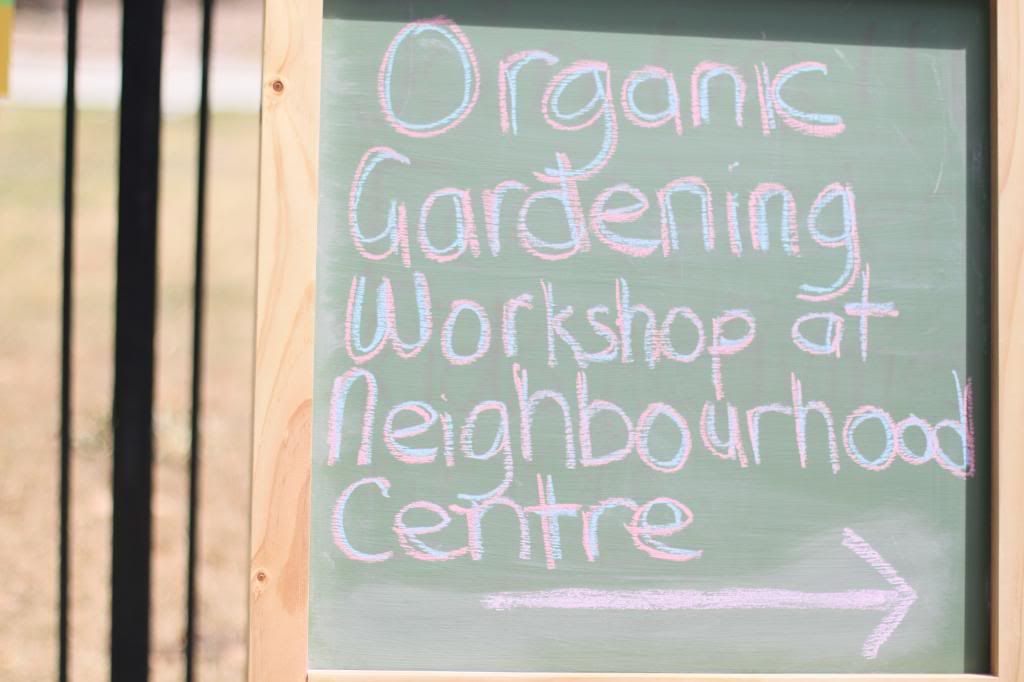
Have you ever had one of those moments in life where your heart and mind are open at exactly the same time that a message you need to hear is being spoken? I did, a couple of weeks ago. I went along to a two-day Organic Gardening course held at my local neighborhood centre. Which is funny, because I'm not a neighborhood centre kind of gal (whatever that is). And lately I'll make any excuse (thanks for the help with that, kids!) to avoid social situations. But, I really, really wanted to learn this stuff. So I paid my five bucks per day, threw a coffee mug in my basket, and went to spend some time, solo.

But my 'alone time' turned into meeting some wonderful, like-minded people. Discovering what my mind is like. Realising that my niggling feelings about going organic and making choices about our food based on season and locality aren't just following a trend. Permaculture and organic gardening are deeply rooted in tradition, methods tried and tested over many years. When we discussed companion planting, my mind wandered to the rambling vine of orange flowers over the back fence of my now-elderly grandparent's place...nasturtiums! My pop used to grow all manner of geraniums, too.
Our beautiful teacher was Kerrie, an ex-nurse, whose interest in the whole wellbeing of people led her on a path which now sees her teaching Permaculture at the nearby TAFE, and working in outreach courses for young adults with disabilities. A real good human. At no point did I feel alarmed or fearful about the state of the world, or the the food that we eat, but felt gently guided to understand that any step you take to eat clean, is a great step forward. Kerrie taught us about general companion planting for pest and weed reduction and we talked about our dreams for our gardens. As students, we ranged from container gardening on a patio, to volunteering in the local community garden, to getting ready to plant out a whole acre in veg. Kerrie made us delicious tea, herbs from her garden steeped for a little while. Give fennel and oregano (not together) a go- sounds odd, but you will like it!

When I came home, I realised that this was just the beginning. I sent Kerrie some questions, and she very kindly answered them, and allowed me to share them here, along with photos from the day. Next week, I will share a step-by-step how to for a no-dig garden. We are going to create two little no-dig beds over the weekend at our house, following the method I learned at the course. For now, enjoy Kerrie's beautiful words of wisdom about gardening, permaculture, and living a sustainable life.


S. Would you explain the key philosophy of permaculture?

K. Permaculture is a philosophy and design system for living sustainably, based on a set of ethics and principles.  It is a holistic approach to sustainability, that encompasses all aspects of life from agriculture, to house design to food choices, and so much more.

S. How does permaculture influence other aspects of your life?
 
K. Whenever making key decisions in my life, I always refer back to the three ethics of permaculture; earth care, people care and fair share.  While the ethics sound simple, they are pivotal in living life consciously and sustainably.  Permaculture also has a strong impulse embedded in “seeing solutions not problems”.  It is all about empowering people with knowledge and tools to make a positive difference in the world, starting in your own immediate sphere of influence, in other words “Think Global, Act Local”.
 
S. What are some simple things we can all change or do, to make for a more sustainable life?
 
K. There are so many things we can all do to live more sustainably...so where to start?  Permaculture emphasises an approach of starting small, and making small meaningful changes.  Celebrate all positive change, make it a habit, then move on to the next thing.  “Work where it counts”.
 
One key area I am particularly passionate about is local food production.  Nearly 40% of our ecological footprint is food production, so if we move to re-localising our food supply, we can make a huge reduction on our impact on the earth in just this one key aspect of our lives.  Grow a few herbs and veggies, join a community garden, sign up at the local food co-op, shop at the local farmer's markets...just a few of the things we can do to reduce our “food miles”.
 
 
S. If you could teach everyone just one thing about gardening, what would it be?
 
K. Observation!  Or as we say in permaculture, observe don't react.  Take time to really observe what is going on.  Nature is wonderful, and has all the answers, if we will just take the time to watch and learn.  The pest that suddenly seems to be a problem, is maybe coming into balance with a predatory insect increasing it's population in response.
 
 
Have you met a really good human lately, a real teacher in your life? How is your garden growing?

Wednesday, October 10, 2012

growing things: first harvest

OK, so it's small scale. But I'm calling it. We ate something that we grew ourselves. Two somethings, actually: bok choy and some coriander. I've been nibbling those delicious coriander leaves for a little while now, and they are so fragrant! I love watering the veggie patch in the afternoon, and getting a mild waft of coriander perfume. The bok choy grew weird, tall and gangly, but we ate it anyway. I made a rice salad with bok choy, coriander, capsicum and corn. Yum.

My beautiful nana-in-law visited over the weekend, and brought the best gifts ever: some goodies from her veggie garden (spinach, snow peas and mixed lettuce leaves), a tea cosy that she knitted and a little nasturtium plant. I find it curious, the things that make me so very happy these days. She also looked over my little garden and gave me bits of advice. When our lunch out was curtailed by poor weather and sleepy babies, the fresh harvest nana brought formed lunch. Perfection.

I'm enjoying recording my growing journey here, and catching up with other growers over here. Do you keep a garden journal?

Wednesday, September 12, 2012

growing things: progress

It's been just over a month since we planted our first veggies in the garden at our new place. And this is how it is all growing...


The sugar snaps and snow peas looked to be struggling, so I pinched the little peas off and ate them. I don't know if that's the right thing to do, we'll see! The bok choy looks so lovely and robust, can't wait to eat some. Trusty Gardenate is telling me what I should plant in September, I think we will add some cucumbers and capsicums to out little kitchen garden next. Learning lots, linking up here:

Tuesday, August 7, 2012

growing things: winter plantings

Over our lovely weekend, one of the tasks achieved was to establish a little kitchen garden. My knowledge of gardening for food is a little slapdash, but we are giving it a go.
The organic grocer at the market was also selling veggie seedlings, so I bought a lovely selection, including snow peas, sugar snap peas, wombok, bok choy, lettuce, carrots, coriander and flat parsley.

The spot in the garden must have been a veggie garden, once upon a time. There are a couple of happy strawberry plants, rosemary and curly parsley, already there. Oh, and Percy.
We stopped at the nursery for advice and compost, then came home and began digging.
I had two potatoes that had sprouted, so we threw them in a mound of dirt and compost in another section of the garden. I have no idea if anything will come of this, but my boys are so obsessed with the storybook The Potato People, we just had to try.

After all our hard work I felt I should do some research about what I had planted. I found an excellent website, which informed me which climate we live in (handy!) and gives a month-by-month list of what to plant. You can even subscribe to have email reminders sent, telling you to get those plants in! Check out Gardenate here!
Are you a kitchen gardener? What are you planting or harvesting in August?

LinkWithin

Related Posts Plugin for WordPress, Blogger...